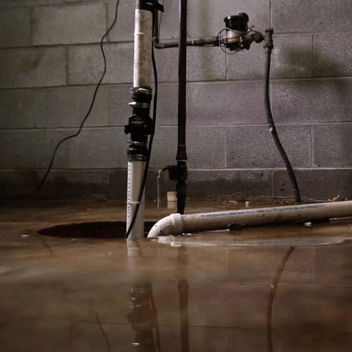


For facility managers, property owners, and business leaders across Central Ohio, plumbing systems are often out of sight—and unfortunately, out of mind—until something goes wrong.
A burst pipe, sewer backup, or hidden leak can quickly disrupt operations, damage property, and create expensive downtime. That’s why commercial plumbing maintenance is not just preventive care—it’s a smart financial strategy. Routine commercial plumbing service is one of the most effective ways to protect your building and your budget by helping you:
- Stay ahead of emerging issues before they turn into emergencies
- Control repair and replacement costs through planned, scheduled work
- Extend the lifespan and efficiency of pipes, valves, and water heaters
- Maintain compliance with health, safety, and building codes
- Keep operations predictable by aligning service with production or tenant schedules
Over time, a consistent maintenance program turns your plumbing system into a managed asset—one that supports safety, uptime, and reliability instead of creating unexpected risk and expense.
Why Commercial Plumbing Maintenance Matters
Commercial plumbing systems endure far more stress than residential systems. Higher usage, larger pipe networks, specialized fixtures, and compliance requirements all increase the likelihood of wear and failure. Without regular inspections, small issues—like a slow drain, pressure imbalance, or hidden leak—can quietly grow into major problems.
A Columbus-area office building experienced this firsthand when a small leak behind a wall went unnoticed for months. By the time it was discovered, the damage had spread to drywall, flooring, and electrical components. The total repair costs far exceeded what routine maintenance would have caught early.
Commercial plumbing maintenance is designed to identify problems early, when they are less disruptive and far less expensive to fix.
What Routine Commercial Plumbing Maintenance Includes
A professional maintenance program is customized to the type of facility you manage—office buildings, industrial facilities, retail spaces, medical centers, and restaurants all have different plumbing demands.
In general, maintenance focuses on inspection, testing, and minor adjustments rather than emergency repairs. Technicians examine supply lines, drainage systems, fixtures, valves, water heaters, and back flow prevention devices. They also look for corrosion, leaks, pressure issues, and code compliance concerns.
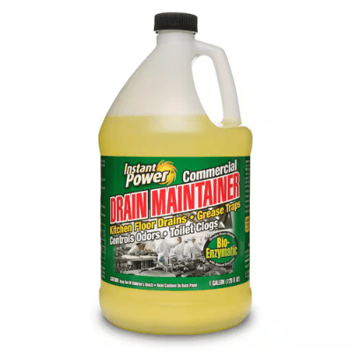
Facilities with kitchens or high water usage often benefit from scheduled commercial drain cleaning, which helps prevent grease buildup and slow drains. Larger buildings may also require commercial leak detection or commercial water leak detection services to identify hidden problems before they lead to water damage or inflated utility bills.
How Routine Service Protects Your Budget
Many business owners assume maintenance is an added cost, but in reality, it’s one of the most effective ways to control expenses. Emergency plumbing repairs almost always cost more than scheduled service. After-hours labor, rushed parts, water damage restoration, and operational downtime add up quickly.
Routine maintenance reduces the need for an emergency commercial plumber, allowing issues to be addressed on your schedule. It also extends the lifespan of your plumbing infrastructure. Pipes, valves, and water heaters that receive regular attention last longer and perform more efficiently, delaying costly replacements.
Maintenance also helps reduce wasted water. Undetected leaks can quietly drive up monthly utility bills. Early detection keeps usage predictable and costs under control.
When Routine Service Minimizes Disruptions to Daily Operations
Plumbing failures don’t just impact your budget—they disrupt your business. A sewer issue can close restrooms, a water heater failure can halt production, and a leak can force sections of a building offline.
With routine maintenance, service can be scheduled during off-hours or low-impact times, reducing disruption. This is especially important for restaurant plumbing services, where unexpected plumbing problems can lead to health code violations or temporary closures.
Preventive service helps keep operations running smoothly and avoids stressful last-minute decisions.
Maintenance vs. Emergency Repairs in the Real World
A Central Ohio manufacturing facility with aging plumbing equipment experienced multiple emergency shutdowns in one year. After enrolling in a scheduled commercial plumbing maintenance program, routine inspections uncovered failing valves and early pipe corrosion. Repairs were planned during scheduled downtime, eliminating emergency calls altogether over the following year.
The result was lower repair costs, improved system reliability, and fewer operational interruptions—clear proof that preventive maintenance pays off.
Not every contractor is equipped to handle commercial systems. Look for commercial plumbing contractors with proven experience, proper licensing, and the ability to scale services to your facility’s size and complexity.
A reliable partner will provide clear documentation, inspection reports, and practical recommendations—not surprise invoices. They should also understand Ohio’s local codes and compliance requirements and act as a long-term partner, not just a repair service.
A Smarter Way to Protect Your Facility
 Commercial plumbing maintenance transforms plumbing from a reactive expense into a managed asset. It protects your building, reduces risk, and helps control long-term costs.
At Crawford Mechanical Services, we work with businesses and facility managers throughout Central Ohio to deliver dependable, proactive commercial plumbing maintenance programs. Our focus is prevention, performance, and long-term value—so your plumbing supports your business instead of disrupting it.
If you’re ready to reduce risk and gain peace of mind, now is the right time to plan ahead.