

Reliable plumbing begins with proper installation. Whether constructing a new building, renovating an existing space, or upgrading aging infrastructure, quality plumbing installation is essential for long-term system performance. For Ohio business owners, facility managers, and homeowners, professionally installed plumbing helps ensure efficient water flow, code compliance, and reduced maintenance issues over time.
Why Proper Plumbing Installation Matters
System reliability starts at installation
Incorrect pipe sizing, poor connections, or improper venting can lead to leaks, pressure problems, and frequent repairs. A well-designed plumbing installation supports consistent water supply and drainage throughout the property.
Code compliance protects property owners
Plumbing systems must meet Ohio building and safety regulations. Licensed contractors understand current plumbing codes and ensure installations pass inspection and meet local requirements.
Plumbing Installation in Commercial Facilities
-
High-capacity water systems
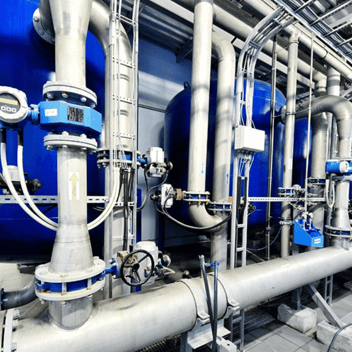
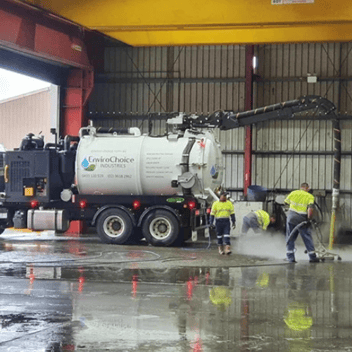
Commercial buildings require plumbing systems that handle higher water demand. Offices, restaurants, healthcare facilities, and industrial spaces often rely on larger supply lines, commercial-grade fixtures, and specialized equipment.
-
Integration with mechanical systems
Commercial plumbing installation often connects with heating systems, backflow prevention devices, grease interceptors, and water heaters. Proper planning ensures all components work together efficiently.
Residential Plumbing Installation
-
New home construction
During new construction, plumbing installation involves designing the full water supply and drainage system. This includes installing pipes, fixtures, water heaters, and venting systems that support long-term functionality.
-
Renovations and system upgrades
Kitchen and bathroom remodels often require new plumbing installations. Updating supply lines, drain systems, and fixtures can improve water pressure, efficiency, and overall reliability.
Key Components of a Plumbing Installation
-
Water supply piping
Supply lines deliver clean water throughout the building. Materials such as copper, PEX, or CPVC are selected based on building design, water pressure requirements, and long-term durability.
-
Drain and sewer systems
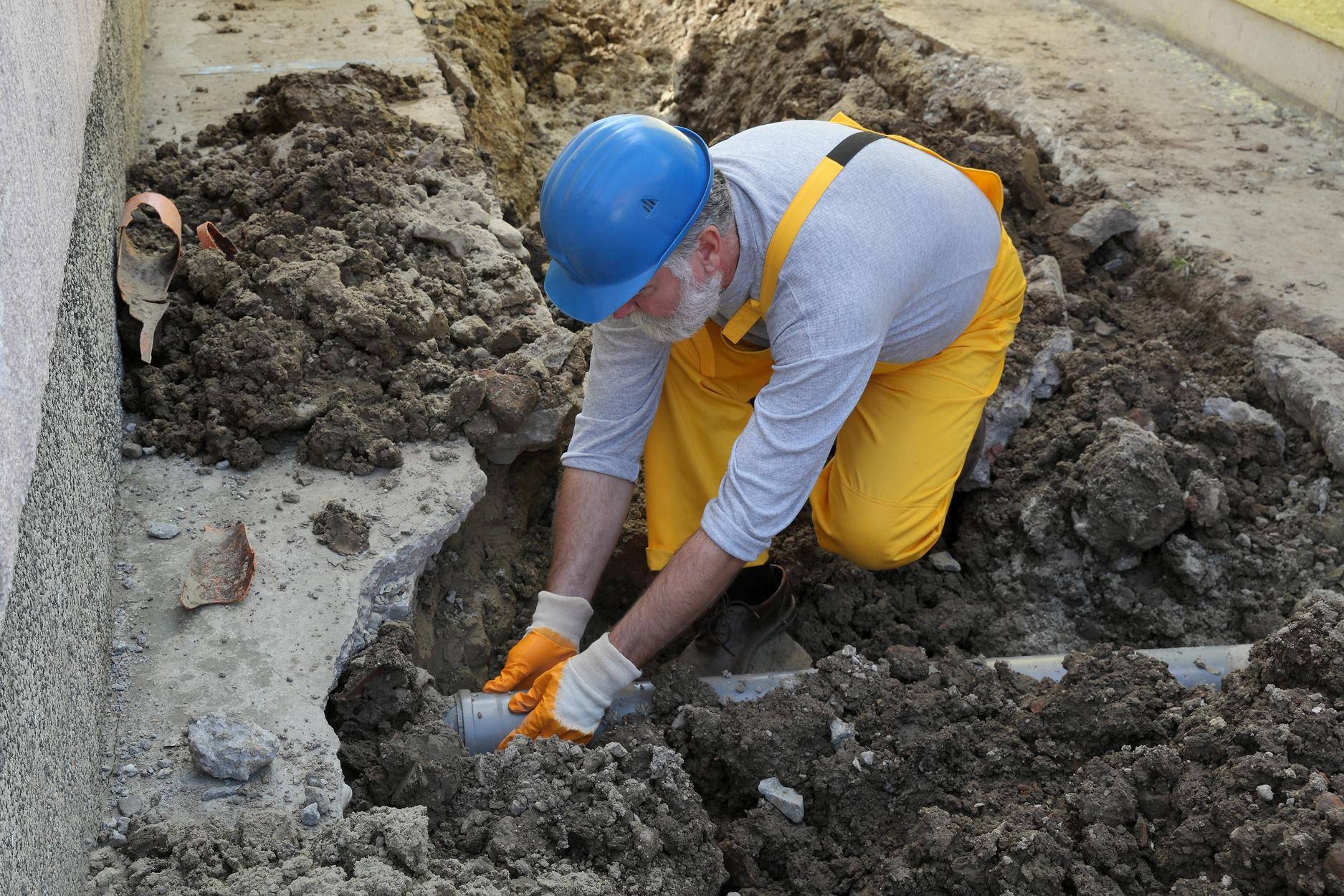
Drainage piping carries wastewater away from fixtures and directs it safely to the sewer system. Proper slope and venting are essential for preventing backups and slow drainage.
-
Fixture and equipment installation
Sinks, toilets, water heaters, dishwashers, and other plumbing fixtures must be installed correctly to ensure proper function and prevent leaks.
Planning a Successful Plumbing Installation
-
Accurate system design
A well-designed plumbing system considers building size, occupancy, and water usage demands. Proper planning reduces the risk of pressure issues and drainage problems later.
-
Coordination with other construction trades
Plumbing installation often occurs alongside electrical, HVAC, and structural work. Clear coordination between contractors ensures systems are installed safely and efficiently.
Choosing the Right Plumbing Installation Contractor
-
Experience with similar projects
Commercial properties and residential homes require different installation approaches. Choosing a contractor experienced with your type of project ensures appropriate materials and methods are used.
-
Licensed and insured professionals
Proper licensing and insurance protect property owners and ensure installations meet Ohio plumbing code standards.
Reliable Plumbing Installation in Central Ohio
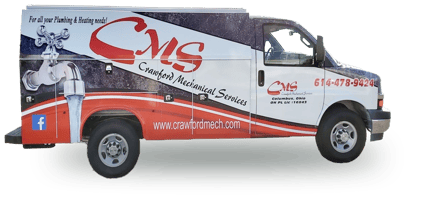 For Ohio property owners, professional plumbing installation is an investment in long-term system performance. Quality materials, proper system design, and skilled workmanship help prevent future plumbing failures.
Crawford Mechanical Services provides plumbing installation services for commercial facilities and residential properties throughout Central Ohio. Their team focuses on code-compliant installations, efficient system design, and dependable workmanship.
When plumbing systems are installed correctly from the start, buildings benefit from improved reliability, better water efficiency, and fewer unexpected repairs.