

Upgrading to a tankless water heater is a common choice for property owners looking to improve energy efficiency and hot water reliability. Before making the investment, many homeowners and business owners want to understand the cost of tankless water heater installed systems and what factors influence total pricing. Installation costs can vary based on building conditions, system size, and the complexity of the project.
What Affects the Cost of Installation?
-
Type and size of the tankless unit
Tankless water heaters are available in a range of capacities designed for different levels of water demand. Larger homes, restaurants, and commercial facilities often require more powerful systems or multiple units, increasing installation costs.
-
Gas line or electrical upgrades
Many tankless systems require upgraded gas lines or electrical service to operate properly. If the existing infrastructure cannot support the new system, modifications will add to the total installation cost.
-
Venting requirements
High efficiency tankless water heaters often require specialized venting materials and configurations. Vent installation can significantly affect project pricing, especially in older buildings.
Residential Tankless Water Heater Installation
-
Replacing a traditional tank system
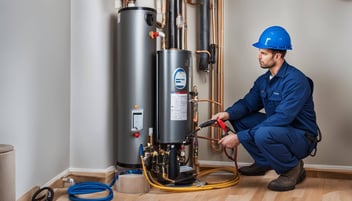
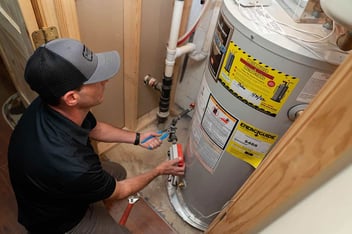
Switching from a storage tank water heater to a tankless model may involve additional plumbing and utility upgrades. This can increase labor time and installation complexity.
-
Energy efficiency benefits
Although the upfront investment is higher than traditional systems, many homeowners choose tankless units for reduced energy consumption and lower utility bills over time.
Commercial Tankless Water Heater Installation
-
Higher hot water demand
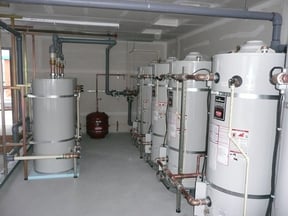
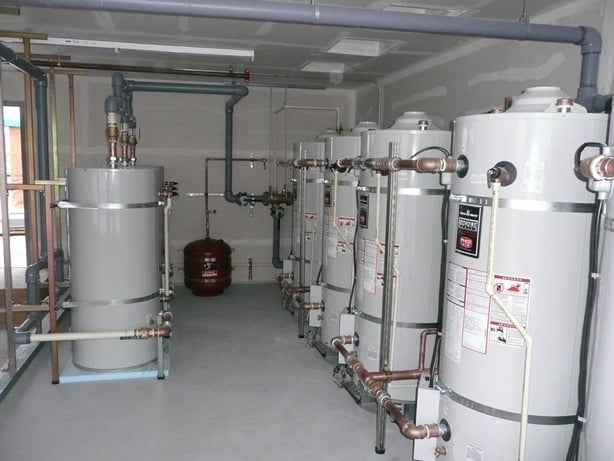
Commercial buildings such as restaurants, healthcare facilities, and multi-tenant properties require systems capable of handling continuous hot water usage. Larger commercial systems naturally increase installation costs.
-
System design and redundancy
Some commercial installations use multiple tankless units working together to ensure uninterrupted hot water supply. These setups require additional planning and installation labor.
Additional Costs That May Be Involved
-
Permit and inspection requirements
Ohio plumbing codes may require permits and inspections for water heater installation. These requirements can affect overall project costs.
-
Removal of existing equipment
Removing and disposing of an old water heater is often part of the installation process and may be included in labor pricing.
-
Plumbing system updates
Older properties may require pipe replacements, valve upgrades, or pressure adjustments before a tankless system can be installed properly.
Long-Term Value of Tankless Water Heaters
-
Lower monthly utility expenses
Tankless systems heat water only when needed, reducing standby energy loss and improving efficiency.
-
Longer equipment lifespan
Many tankless water heaters last longer than traditional tank systems when maintained properly, helping offset higher upfront installation costs.
-
Space-saving advantages
Compact wall-mounted units free up valuable space in mechanical rooms, utility areas, and commercial facilities.
Why Professional Installation Matters
-
Correct sizing and configuration
Professional plumbers evaluate water usage and building requirements to recommend the proper system size and setup.
-
Safe, code-compliant installation
Gas lines, venting systems, and plumbing connections must be installed correctly to ensure safe operation and long-term reliability.
Tankless Water Heater Installation in Central Ohio
 Understanding the cost of tankless water heater installed systems helps Ohio property owners plan for upgrades that improve efficiency and performance. While installation costs vary depending on the building and system requirements, the long-term energy savings and reliable hot water supply make tankless systems a valuable investment for many properties.
Crawford Mechanical Services provides tankless water heater installation for residential and commercial properties throughout Central Ohio. Their team evaluates each project carefully to ensure systems are properly sized, professionally installed, and built for long-term performance.
When tankless water heaters are installed correctly, property owners benefit from dependable hot water, improved efficiency, and reduced operating costs over time.