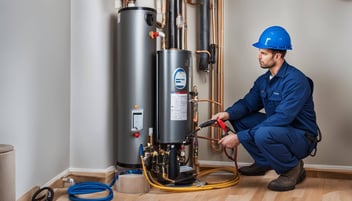


Replacing or upgrading a hot water system is a common need for both commercial facilities and homes. While it may seem straightforward, installing a water heater involves more than connecting a few pipes. Proper setup is critical for safety, efficiency, and long-term performance. For Ohio business owners, facility managers, and homeowners, understanding the process helps ensure reliable results.
What’s Involved in Installing a Water Heater
-
System removal and preparation
The process typically begins with removing the existing unit and preparing the installation area. This includes shutting off water, gas, or electrical connections and ensuring the space meets current code requirements.
-
New unit placement and connection
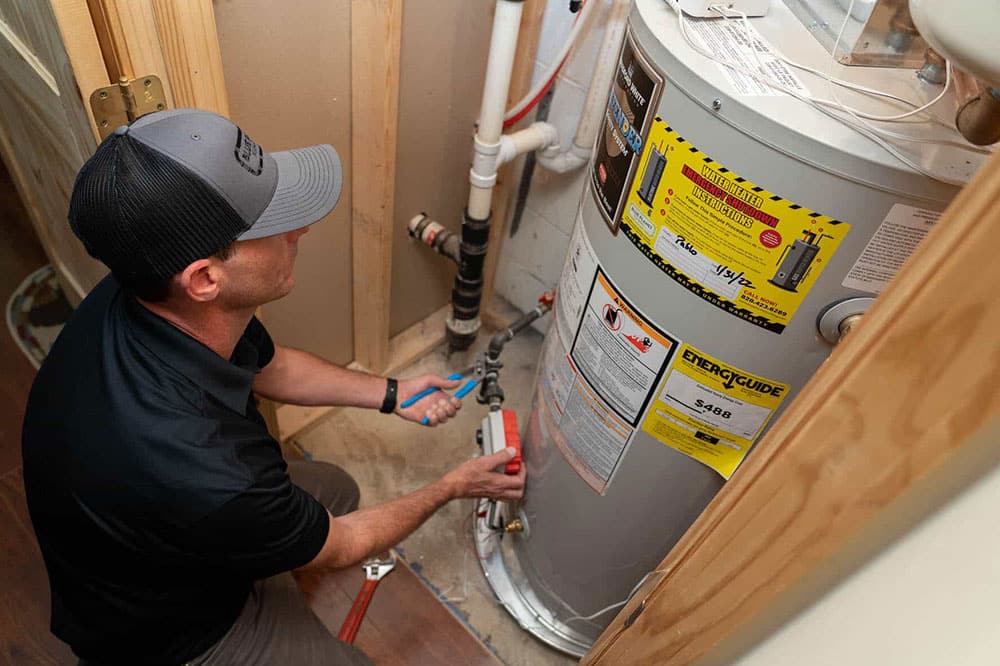
The new water heater must be positioned correctly and connected to water supply lines, drainage, and power or gas sources. Proper alignment and secure fittings are essential to prevent leaks and ensure consistent operation.
Key Considerations Before Installation
-
Choosing the right type of water heater
Options include traditional tank systems, tankless water heaters, and high efficiency gas units. The right choice depends on building size, water demand, and energy efficiency goals.
-
Proper sizing for demand
An undersized system may struggle to keep up during peak usage, while an oversized unit can waste energy. Accurate sizing ensures the system meets demand without unnecessary strain.
Safety and Code Requirements
-
Compliance with Ohio plumbing codes
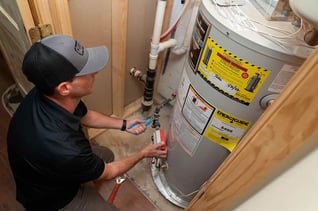
Water heater installation must meet state and local regulations. This includes proper venting, pressure relief valves, and approved materials.
-
Gas and electrical safety
Improper gas connections or electrical wiring can create serious hazards. Licensed professionals follow safety protocols to ensure the system operates safely.
Common Challenges During Installation
-
Outdated piping or connections
Older buildings may require upgrades to supply lines, venting systems, or fittings to support a new water heater.
-
Limited space or access
Tight mechanical rooms or confined installation areas can complicate the process. Proper planning helps avoid delays and ensures safe installation.
Commercial Installation Considerations
-
High-volume water demand
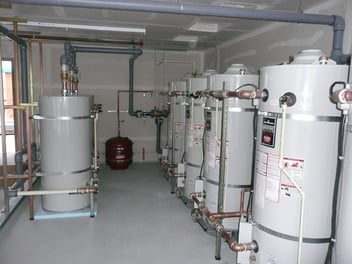
Restaurants, healthcare facilities, and industrial buildings require systems that can handle continuous use. Installing a water heater in these environments often involves larger units or multiple systems.
-
Minimizing operational disruption
In commercial settings, installation must be coordinated to avoid downtime. Experienced contractors plan installations to keep facilities running.
Residential Installation Factors
-
Replacement timing and efficiency upgrades
Homeowners often install new water heaters when older units fail or become inefficient. Upgrading to a newer model can improve performance and reduce energy costs.
-
Long-term reliability
A properly installed system provides consistent hot water and reduces the likelihood of unexpected breakdowns.
Why Professional Installation Matters
-
Accurate setup and performance
Professional plumbers ensure all components are installed correctly, from pressure relief valves to venting systems. This supports efficient and reliable operation.
-
Reduced risk of future issues
Incorrect installation can lead to leaks, poor heating performance, or premature system failure. Professional work helps avoid these problems.
Reliable Water Heater Installation in Central Ohio
 For Ohio property owners, installing a water heater is an important investment in comfort and operational efficiency. Proper installation ensures the system performs as expected and meets safety standards.
Crawford Mechanical Services provides water heater installation for commercial facilities and residential properties throughout Central Ohio. Their team focuses on safe, code-compliant installations designed for long-term performance.
When water heaters are installed correctly, buildings benefit from dependable hot water, improved efficiency, and fewer maintenance concerns over time.