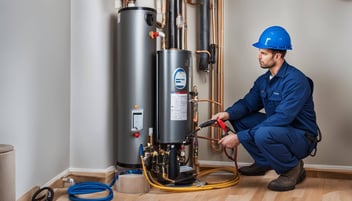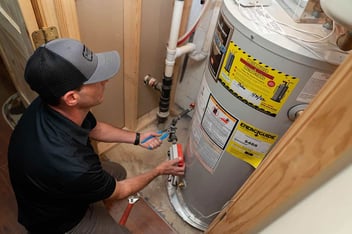


Hot water is a basic requirement for both commercial facilities and homes. From sanitation and cleaning to daily operations, a dependable system is essential. Proper water heater installation ensures consistent performance, energy efficiency, and long-term reliability for Ohio business owners, facility managers, and homeowners.
Why Proper Water Heater Installation Matters
-
Performance depends on correct setup
Even a high-quality unit will underperform if it is not installed properly. Incorrect connections, poor sizing, or improper venting can lead to inconsistent temperatures and reduced system lifespan.
-
Safety and code compliance
Water heaters involve gas, electricity, and pressurized water systems. Installation must meet Ohio plumbing and building codes to ensure safe operation and pass inspections.
Types of Water Heaters to Consider
-
Traditional tank water heaters
Tank systems store and heat a set volume of water. They are commonly used in both residential and commercial settings and are available in a range of capacities.
-
Tankless water heaters
Tankless systems heat water on demand, providing continuous hot water without storage limitations. These systems are often chosen for energy efficiency and space savings.
-
High efficiency gas water heaters
High efficiency models use advanced technology to reduce fuel consumption while maintaining strong performance, making them a practical choice for high-demand applications.
Key Factors in Water Heater Installation
-
Proper system sizing
Choosing the correct size water heater is critical. An undersized unit may not meet demand, while an oversized system can lead to wasted energy and higher operating costs.
-
Venting and ventilation requirements
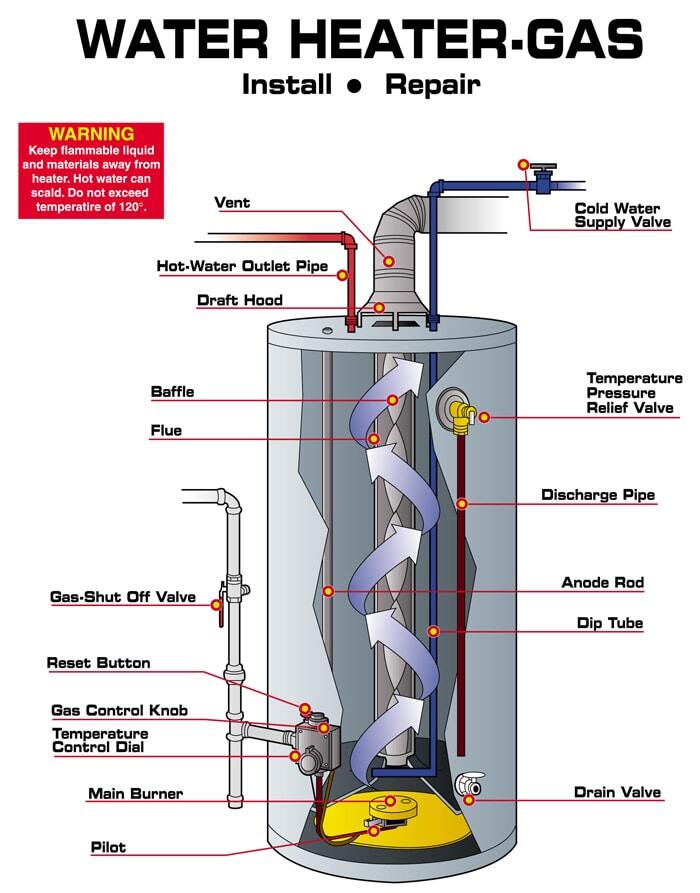
Gas water heaters require proper venting to safely remove exhaust gases. Incorrect venting can create safety risks and reduce system efficiency.
-
Water pressure and connection setup
Ensuring correct pressure levels and secure connections helps prevent leaks, premature wear, and inconsistent performance.
Commercial Water Heater Installation Considerations
-
High-demand usage
Restaurants, healthcare facilities, and industrial buildings rely on large volumes of hot water. Commercial systems must be designed to handle peak demand without interruption.
-
System redundancy and reliability
Many commercial installations include multiple units or backup systems to ensure continuous operation, even if one unit requires maintenance.
Residential Water Heater Installation
-
New construction and replacements
Homeowners may need water heater installation during new construction or when replacing an aging unit. Upgrading to a modern system can improve efficiency and reliability.
-
Energy efficiency improvements
Newer models often provide better insulation and heating performance, helping reduce energy costs over time.
Maintenance After Installation
-
Routine servicing extends lifespan
Regular maintenance, including flushing the tank and inspecting components, helps prevent buildup and extends the life of the system.
-
Early detection of issues
Monitoring performance after installation allows small issues to be addressed before they become major problems.
Choosing the Right Installation Contractor
-
Licensed and experienced professionals
Working with a qualified contractor ensures water heater installation meets Ohio code requirements and is completed safely.
-
Clear recommendations and planning
A reliable provider will evaluate your building’s needs, recommend the appropriate system, and complete installation with minimal disruption.
Reliable Water Heater Installation in Central Ohio
 For Ohio property owners, professional water heater installation is key to maintaining consistent hot water and avoiding unexpected system failures. Proper sizing, safe installation, and ongoing maintenance all contribute to long-term performance.
Crawford Mechanical Services provides water heater installation for commercial facilities and residential properties across Central Ohio. Their team focuses on code-compliant work, efficient system setup, and dependable service.
When water heaters are installed correctly, buildings benefit from reliable hot water, improved efficiency, and fewer unexpected repairs.