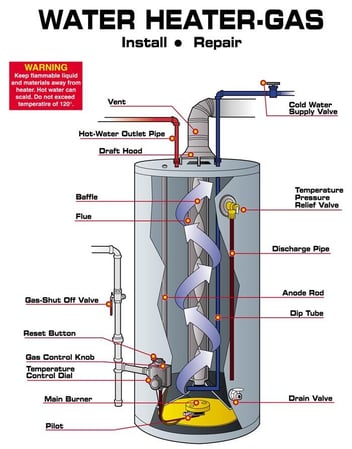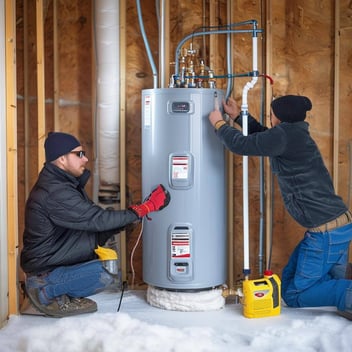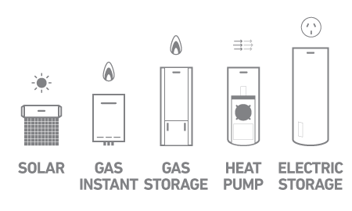


Hot water is essential for daily operations in both commercial buildings and homes. From restrooms and kitchens to process use in certain facilities, consistent hot water supports comfort, sanitation, and productivity. Upgrading to a high efficiency gas water heater can improve performance, reduce energy costs, and provide long-term reliability for Ohio property owners.
What Is a High Efficiency Gas Water Heater?
-
Designed to maximize energy use
High efficiency gas water heaters use advanced heat exchangers and improved combustion systems to transfer more heat into the water while reducing wasted energy.
-
Higher performance ratings
These systems typically have higher Uniform Energy Factor (UEF) ratings compared to standard models, meaning they convert more fuel into usable hot water.
Key Benefits of High Efficiency Water Heaters
-
Lower operating costs
By using less gas to heat the same amount of water, high efficiency systems help reduce monthly utility bills. This is especially valuable for commercial facilities with high hot water demand.
-
Consistent hot water supply
Improved heating technology allows these systems to recover faster, ensuring a steady supply of hot water during peak usage times.
-
Reduced environmental impact
Using less fuel lowers overall energy consumption and emissions, making high efficiency gas water heaters a more environmentally responsible option.
Applications in Commercial Facilities
-
Restaurants and food service operations
Reliable hot water is critical for cleaning, sanitation, and food preparation. High efficiency systems help maintain consistent temperatures during busy service hours.
-
Healthcare and hospitality buildings
Facilities that operate around the clock require dependable hot water. Efficient systems support continuous use without excessive energy costs.
-
Industrial and multi-tenant properties
Larger buildings benefit from reduced operating expenses and improved system performance when upgrading to high efficiency equipment.
Benefits for Homeowners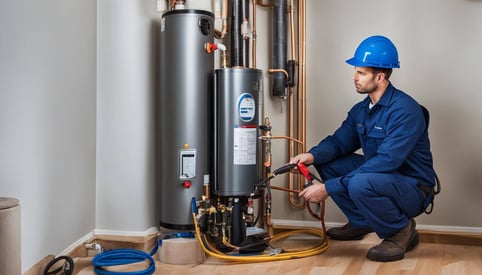
-
Improved comfort and reliability
Homeowners experience fewer interruptions in hot water supply, even during periods of high demand.
-
Long-term energy savings
While the initial investment may be higher, energy savings over time often offset installation costs.
Installation Considerations
-
Proper system sizing
Selecting the correct size water heater is essential for meeting demand without overworking the system. Oversized or undersized units can lead to inefficiency and wear.
-
Venting and gas line requirements
High efficiency gas water heaters may require updated venting systems or gas line adjustments. Professional installation ensures safe and compliant setup.
Maintenance for Long-Term Performance
-
Routine inspections and servicing
Regular maintenance helps keep the system operating efficiently. This includes checking burners, flushing the tank, and inspecting connections.
-
Monitoring performance over time
Tracking energy use and system output helps identify potential issues early, preventing unexpected breakdowns.
Choosing the Right Water Heater Solution
-
Evaluate building demand and usage
Commercial facilities and homes have different hot water needs. Understanding usage patterns helps determine the best system type and capacity.
-
Work with experienced professionals
Licensed plumbing contractors ensure proper installation, code compliance, and long-term reliability.
High Efficiency Water Heater Solutions in Central Ohio
 For Ohio property owners, upgrading to a high efficiency gas water heater offers a practical way to improve energy efficiency and system performance. Whether for a commercial facility or a residential property, proper installation and maintenance are key to maximizing benefits.
Crawford Mechanical Services provides water heater installation and service throughout Central Ohio. Their team works with property owners to select and install high efficiency systems that meet demand and support long-term performance.
When hot water systems are efficient and reliable, buildings operate more smoothly, and energy costs remain under control.